

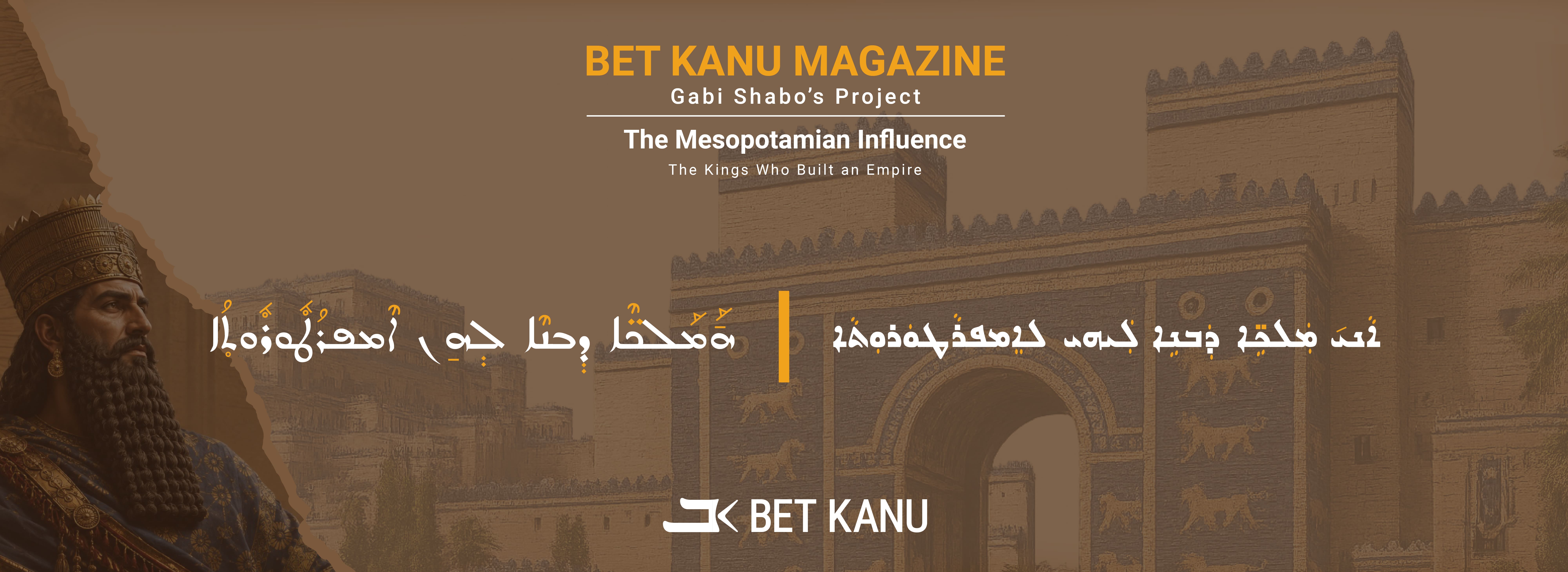
The seventh article in the Mesopotamian Influence season of BET KANU Magazine explores six of the most influential Assyrian kings, highlighting their achievements, military successes, and lasting impact on the Assyrian Empire.
ܠܡܶܬܚܳܐ ܕܕܳܪ̈ܶܐ، ܐܳܬ̥ܽܘܪ ܡܰܢ̱ ܡܕܺܝܢܳܝܘ̈ܳܬ̥ܳܐ ܥܰܫܶܝܢ̈ܶܐ ܗ̄ܘܰܐ ܕܽܗ̄ܘ ܥܳܠܡܳܐ ܥܰܬܺܝܩܳܐ. ܗ̄ܰܡܰܠܟ̈ܰܝܕܰܗ ܡܰܪܘܰܚ ܠ݄ܗ̱ܢ ܗ̄ܰܬܚܽܘܡ̈ܶܐ ܕܺܗ̄ܝ ܐܶܡܦܪܳܛܽܘܪܽܘܬ̥ܳܐ، ܒܢܶܐ ܠ݄ܗ̱ܢ ܡܕܺܝܢ̈ܳܬ̥ܳܐ ܪܰܘܪ̈ܒܳܬ̥ܳܐ، ܣ݄ܡ ܠ݄ܗ̱ܢ ܫܽܘܡܠܳܝ̈ܶܐ ܦܪ̈ܝܫܶܐ ܒܺܗ̄ܝ ܡܰܚܳܪܽܘܬ̥ܳܐ، ܘ݄ܢܛ݄ܪ ܠ݄ܗ̱ܢ ܗ̄ܽܘ ܝܽܘܠܦܳܢܳܐ ܕܗܰܘܺܝ ܠܶܗ ܡܰܥܒܕܳܢܽܘܬ̥ܳܐ ܠܰܕܳܪ̈ܶܐ ܕܒ݄ܬ̥݄ܪ.
ܗܰܢܺܝ ܗ̄ܰܡܰܠܟ̈ܶܐ ܕܗܰܘܝ ܠܰܫܽܘܡܠܳܝ̈ܰܬ̥ܶܗ ܣܰܗܡܳܐ ܒܺܗ̄ܝ ܝܳܪܬ̥ܽܘܬ̥ܳܐ ܥܰܬܺܝܪܬܳܐ ܕܺܗ̄ܝ ܡܕܝܢܳܝܘܬ̥ܳܐ ܐܳܬ̥ܽܘܪܳܝܬܳܐ
ܐܰܫܽܘܪܢܰܨܺܝܪܦܰܠ ܕܰܬܪܶܝ (889–859 ܩ.ܡ)
ܡܰܢ̱ ܡܰܠܟ̈ܶܐ ܩܰܕ̱ܡܳܝ̈ܶܐ ܗ̄ܘܰܐ ܕܡܰܚ݄ܬ ܠ݄ܗ̱ܢ ܐܶܣ̈ܶܐ ܕܽܗ̄ܘ ܪܽܘܳܚܳܐ ܕܺܗ̄ܝ ܐܶܡܦܪܳܛܽܘܪܽܘܬ̥ܳܐ ܐܳܬ̥ܽܘܪܳܝܬܳܐ،
ܢܩܺܝܠ ܠܶܗ ܗ̄ܺܝ ܡܕ̥ܝܢ̱ܬܳܐ ܕܽܗ̄ܘ ܡܰܠܟܳܐ ܠܟܰܠܚܽܘ (ܢܶܡܪܽܘܕ)، ܒܢܶܐ ܠܶܗ ܩܨܪܳܐ ܫܰܦܺܝܪܳܐ ܣܩܺܝܠܳܐ ܒ݄ܢܩܳܫ̈ܶܐ ܕܟܶܐܦ̈ܶܐ ܕܰܩܺܝܩ̈ܶܐ. ܗ̄ܰܢܩܳܫ̈ܰܢܺܝ ܦܰܝܺܝܫܺܝ ܡܰܢ̱ ܡܰܬ̥ܠ̈ܶܐ ܫܰܦܺܝܪ̈ܶܐ ܕܽܗ̄ܘ ܐܰܡܢܳܐ ܕܒܶܝܬܢܰܗܪܺܝܢ، ܕܟܳܡܚܘܶܐ ܠܰܢ ܚܶܙܘܳܐ ܚܰܝܳܐ ܥܰܠ ܗ̄ܰܚܰܝ̈ܶܐ ܡܰܠܟܳܝ̈ܶܐ ܘܽܗ̄ܘ ܨܰܝܕܳܐ ܘܗ̄ܺܝ ܬܰܘܕܺܝܬ̥ܳܐ ܘܗ̄ܺܝ ܡܰܪܕܽܘܬ̥ܳܐ ܒܽܗ̄ܘ ܕܳܪܰܘܳܐ.
ܬܺܝܓ̥ܠܰܬ ܦܠܰܣܰܪ ܕܰܬܠܳܬ̥ܳܐ (745–727 ܩ.ܡ):
ܗ̄ܽܘ ܡܫܰܬܐܣܳܢܳܐ ܫܰܪܺܝܪܳܐ ܗ̄ܘܰܐ ܕܺܗ̄ܝ ܐܶܡܦܪܳܛܽܘܪܽܘܬ̥ܳܐ ܐܳܬ̥ܽܘܪܳܝܬܳܐ ܚܰܕ̥ܬܳܐ. ܣ݄ܡ ܠܶܗ ܬܽܘܪ̈ܳܨܶܐ ܕ݄ܡܫܰܚܠܰܦ ܠ݄ܗ̱ܢ ܗ̄ܺܝ ܐܶܡܦܪܳܛܽܘܪܽܘܬ̥ܳܐ ܘܗ̄ܽܘ ܡܰܟܬ̥ܰܒܙܰܒܢܳܐ ܠܶܫܳܢܳܝܳܐ ܕܽܗ̄ܘ ܡܰܕܢܚܳܐ ܠܥܳܠܰܡ، ܡܥܰܙܰܙ ܠܶܗ ܗ̄ܽܘ ܫܽܘܠܛܳܢܳܐ ܕܽܗ̄ܘ ܐܽܘܚܕܳܢܳܐ ܩܶܢܛܪܽܘܢܳܝܳܐ ܘܡܰܕܥܰܪ ܠܶܗ ܗ̄ܽܘ ܛܽܘܟܳܣܳܐ ܕܽܗ̄ܘ ܓܰܝܣܳܐ ܡܶܢ̱ ܚܰܕ̱ܬ̥ܳܐ ܠܚܰܝܠܳܐ ܥܰܫܺܝܢܳܐ ܘܡܰܥ݄ܒܕܳܢܳܐ، ܘܡܥܰܕܰܪ ܠܶܗ ܠܳܐܬ̥ܽܘܪ ܕܗܳܘܝܳܐ ܗ̄ܽܘ ܚܰܝܠܳܐ ܡܫܰܠܛܳܢܳܐ ܕܽܗ̄ܘ ܙܰܒܢܰܝܕܰܗ.
ܗ̄ܽܘ ܫܽܘܚܠܳܦܳܐ ܠܶܫܳܢܳܝܳܐ:
ܒܺܗ̄ܝ ܡܰܕܪܟܳܢܽܘܬ̥ܳܐ ܕܺܗ̄ܝ ܐܳܠܨܳܝܽܘܬ̥ܳܐ ܕܽܗ̄ܘ ܡܰܗܒ̥ܳܐ ܘ݄ܫܩܳܠܳܐ ܒܺܗ̄ܝ ܐܶܡܦܪܳܛܽܘܪܽܘܬ̥ܳܐ ܪܘ݄ܝܚܬܳܐ، ܡ݄ܕ ܠܶܗ ܘ݄ܡܚܰܫܰܚ ܠܶܗ ܬܺܝܓ̥ܠܰܬ ܦܠܰܣܰܪ ܕܰܬܠܳܬ̥ܳܐ ܗ̄ܽܘ ܠܶܫܳܢܳܐ ܐܳܪܳܡܳܝܳܐ ܘܥܰܡ ܓܰܒܶܗ ܗ̄ܽܘ ܐܰܟܰܕܳܝܳܐ ܐܝܟ̥ ܕܠܶܫܳܢܳܐ ܪܳܫܡܳܝܳܐ ܕܺܗ̄ܝ ܡܕܰܒܪܳܢܽܘܬ̥ܳܐ، ܗ̄ܽܘ ܡܶܕܰܢܳܐ ܡܥܰܕܰܪ ܠܶܗ ܕܡ݄ܦܪ݄ܣ ܗ̄ܽܘ ܠܶܫܳܢܳܐ ܐܳܪܳܡܳܝܳܐ ܒܺܗ̄ܝ ܐܶܡܦܪܳܛܽܘܪܽܘܬ̥ܳܐ. ܗ̄ܽܘ ܦܽܘܣܩܳܢܰܢܳܐ ܗ̄ܽܘ ܡܰܟܬ̥ܰܒܙܰܒܢܳܝܳܐ ܛܪܶܐ ܠܶܗ ܕܡ݄ܦܪ݄ܣ ܗ̄ܽܘ ܐܳܪܳܡܳܝܳܐ ܒܣܽܘܪܗܳܒܳܐ ܒܽܗ̄ܘ ܡܰܕܢܚܳܐ. ܠܡܶܬܚܳܐ ܕܕܳܪ̈ܶܐ، ܗ̄ܽܘ ܠܶܫܳܢܳܐ ܐܳܪܳܡܳܝܳܐ ܗܰܘܝ ܚܰܕ̱ ܡܰܢ̱ ܠܶܫܳܢ̈ܶܐ ܡܰܥ݄ܒܕܳܢ̈ܶܐ ܒܽܗ̄ܘ ܥܳܠܡܳܐ ܥܰܬܺܝܩܳܐ، ܘܗܰܘܺܝ ܗ̄ܘܰܐ ܐܝܟ̥ ܕܓܺܝܫܪܳܐ ܒܰܝܢ ܕܥܰܡܡ̈ܶܐ ܘܡܰܪ̈ܕܘܳܬ̥ܳܐ ܘܡܰܠܟܘ̈ܳܬ̥ܳܐ ܡܫܰܚܠܦ̈ܶܐ.
ܣܰܪܓܳܘܢ ܕܰܬܪܶܝ (722-705 ܩ.ܡ):
ܐܰܬ̥ܺܝ ܣܰܪܓܳܘܢ ܕܰܬܪܶܝ ܕܒܳܢܶܐ ܥܰܠ ܗ̄ܰܢ ܐܶܣ̈ܶܐ ܕܡܰܚܬܺܝ ܠܶܗ ܬܺܝܓ̥ܠܰܬ ܦܠܰܣܰܪ ܕܰܬܠܳܬ̥ܳܐ، ܘ݄ܡܫܰܚܠܰܦ ܠܶܗ ܐܳܬ̥ܽܘܪ ܠܐܶܡܦܪܳܛܽܘܪܽܘܬ̥ܳܐ ܪܘ݄ܝܚܬܳܐ. ܘܗܝܶܗ ܚܰܕ̱ ܡܰܢ̱ ܪܰܒ ܚܰܝ̈ܠܶܐ ܐܳܬ̥ܘܪ̈ܳܝܶܐ ܗ̄ܰܪ̈ܰܒܶܐ ܗ̄ܘܰܐ، ܡܰܪܘܰܚ ܠܶܗ ܗ̄ܰܬܚܽܘ̈ܡܶܐ ܕܽܗ̄ܘ ܐܰܬ̥ܪܳܐ، ܘܡܰܘܒܶܠ ܠܶܗ ܗ̄ܽܘ ܫܽܘܠܛܳܢܰܝܕܶܗ ܠܰܗ̄ܢ ܐܰܬ̥ܪ̈ܰܘܳܬ̥ܳܐ ܕܽܗ̄ܘ ܫܰܡ ܘ݄ܕܐܰܢܰܕܽܘܠ، ܘ݄ܡܥܰܙܰܙ ܠܶܗ ܗ̄ܺܝ ܡܕܰܒܪܳܢܽܘܬ̥ܳܐ ܪܺܝܫܰܝܬܳܐ ܘܗ̄ܽܘ ܛܽܘܟܳܣܳܐ ܕܰܨܶܒܘ̈ܳܬ̥ܳܐ ܕܽܗ̄ܘ ܐܰܬ̥ܪܳܐ، ܘ݄ܒܢܶܐ ܠܶܗ ܗ̄ܺܝ ܡܕܺܝܢ̱ܬ̥ܳܐ ܕܕܽܘܪ ܫܰܪܽܘܟܺܝܢ ܕܟܳܡܰܚܘܝܳܐ ܗ̄ܘܰܐ ܗ̄ܽܘ ܚܰܝܠܳܐ ܘܗ̄ܽܘ ܥܽܘܬ̥ܪܳܐ ܘܗ̄ܽܘ ܢܺܝܫܳܐ ܦܽܘܠܺܝܛܺܝܩܳܝܳܐ ܘܐܰܪܕܶܟ̥ܠܳܝܳܐ ܕܐܳܬ̥ܽܘܪ، ܘܗܰܘܺܝ ܪܶܡܙܳܐ ܠܽܗ̄ܘ ܫܰܠܺܝܛܳܐ ܕ݄ܡܟܰܢܰܫ ܠܶܗ ܒܰܝܢ ܕܽܗ̄ܘ ܪܽܘܳܚܳܐ ܘܕܽܗ̄ܘ ܛܽܘܟܳܣܳܐ ܘܕܽܗ̄ܘ ܒܢܳܝܳܐ.
ܣܰܢܚܰܪܺܝܒ (705-681 ܩ.ܡ)
ܣ݄ܡ ܠܶܗ ܡܶܢ̱ ܢܺܝܢܘܶܐ ܚܕܳܐ ܡܶܢ̱ ܫܰܦ݄ܪ ܘܪܰܒ ܡܕܺܝܢ̈ܳܬ̥ܳܐ ܕܽܗ̄ܘ ܥܳܠܡܳܐ ܥܰܬܺܝܩܳܐ، ܘܣܺܝܡܳܐ ܠܶܗ ܡܕ̥ܺܝܢ̱ܬܳܐ ܕܡܰܠܟܳܐ ܕܺܗ̄ܝ ܐܶܡܦܪܳܛܽܘܪܽܘܬ̥ܳܐ ܒ݄ܬ̥݄ܪ ܡܶܢ̱ ܕܽܘܪ ܫܰܪܘܟܺܝܢ. ܒܰܢܳܝܳܐ ܘܡܳܪܳܐ ܕܬܰܪ̈ܡܝܳܬ̥ܳܐ ܐܰܪ̈ܕܶܟ̥ܠܳܝܶܐ ܗ̄ܘܰܐ، ܡܰܥܡܰܪ ܠܶܗ ܫܽܘܪ̈ܳܢܶܐ ܪ̈ܰܒܶܐ ܘܛܶܟܣܳܐ ܡܛܰܘܪܳܐ ܕܰܐܒܽܘܒ̈ܶܐ (ܩܰܝ̈ܝܶܐ) ܘܓܺܝܫܪ̈ܶܐ ܕܰܡܰܝ̈ܶܐ ܕܡܰܡܛܺܝ ܗ̄ܘܰܘ̱ ܗ̄ܰܡܰܝ̈ܶܐ ܡܰܢ̱ ܛܽܘܪ̈ܳܢܶܐ ܪ̈ܰܚܽܘܩܶܐ ܠܺܗ̄ܝ ܡܕܺܝܢ̱ܬ̥ܳܐ ܕܢܺܝܢܘܶܐ ܕܟܳܝ݄ܪܒ̥ܳܐ ܗ̄ܘܰܐ. ܘܰܬܰܪ̈ܡܝܳܬ̥ܰܢܺܝ ܡܥܰܕܰܪ ܠ݄ܗ̄ܢ ܒܽܗ̄ܘ ܫܽܘܫܳܛܳܐ ܕܽܗ̄ܘ ܐܶܩܢܽܘܡܝܳܐ ܘܗ̄ܺܝ ܙܰܪܳܥܽܘܬ̥ܳܐ، ܘܰܫّܽܘܡܠܳܝ̈ܰܢܝ ܡܰܚܘܶܐ ܠ݄ܗ̱ܢ ܗ̄ܺܝ ܡܗܺܝܪܽܘܬ̥ܳܐ ܘܗ̄ܽܘ ܫܽܘܫܳܛܳܐ ܐܰܪܕܶܟ̥ܠܳܝܳܐ ܕܰܗ̄ܢ ܐܳܬ̥ܽܘܪ̈ܳܝܶܐ.
ܣܰܪܚܰܕܽܘܢ (681-669 ܩ.ܡ):
ܗ̄ܽܘ ܐܰܒܪܳܐ ܕܣܰܢܚܰܪܺܝܒ ܘܗ̄ܽܘ ܒܰܐܒܳܐ ܕܐܰܫܽܘܪܒܰܢܺܐܦܰܠ، ܡ݄ܕ ܠܶܗ ܗ̄ܽܘ ܫܽܘܠܛܳܢܳܐ ܒܚܰܕ̱ ܡܰܫܩܠܳܐ ܥܰܣܩܳܐ ܡܽܗ̄ܘ ܡܰܟܬ̥ܰܒܙܰܒܢܳܐ ܕܺܗ̄ܝ ܐܶܡܦܪܳܛܽܘܪܽܘܬ̥ܳܐ، ܘܡܰܚܶܬ ܠܶܗ ܫܰܠܝܽܘܬ̥ܳܐ ܒ݄ܬ̥݄ܪ ܙܰܒܢܳܐ ܕܫܓ̥ܽܘܫܝܳܐ ܓܰܘܳܝܳܐ. ܣ݄ܡ ܠܶܗ ܦܽܘܠܺܝܛܺܝܩܺܝ ܙ݄ܕ ܡܟܰܝܰܠܬܳܐ ܘܩܰܝ݄ܡܬܳܐ ܥܰܠ ܗ̄ܺܝ ܬܰܪܥܽܘܬ̥ܳܐ، ܒܢܶܐ ܠܶܗ ܠܺܗ̄ܝ ܡܕܺܝܢ̱ܬ̥ܳܐ ܕܒܳܒܶܠ ܡܶܢ̱ ܚܰܕ̱ܬ̥ܳܐ ܘܡܰܕܥܰܪ ܠܶܗ ܗ̄ܺܝ ܕܽܘܟܬ̥ܰܝܕܰܗ، ܘܡܰܘܪܰܒ̥ ܠܶܗ ܗ̄ܽܘ ܫܽܘܠܛܳܢܳܐ ܐܳܬ̥ܽܘܪܳܝܳܐ ܠܡܶܨܪܶܝܢ ܒܺܗ̄ܝ ܫܰܢ̱ܬܳܐ ܕ671 ܩ.ܡ، ܘܡܟܰܢܰܫ ܠܶܗ ܒܰܝܢ ܕܽܗ̄ܘ ܚܰܝܠܳܐ ܓܰܝܳܣܳܝܳܐ ܘܺܗ̄ܝ ܚܶܟ̥ܡܬ̥ܳܐ ܦܽܘܠܺܝܛܺܝܩܳܝܬܳܐ، ܘܽܗ̄ܘ ܡܶܕܰܢܳܐ ܡܥܰܙܰܙ ܠܶܗ ܗ̄ܺܝ ܚܕܳܝܽܘܬ̥ܳܐ ܕܺܗ̄ܝ ܐܶܡܦܪܳܛܽܘܪܽܘܬ̥ܳܐ ܘܽܗ̄ܘ ܫܰܝܢܰܝܕܰܗ.
ܐܰܫܽܘܪ ܒܰܢܺܐܦܰܠ (669-631 ܩ.ܡ):
ܠܰܝ̱ܬ ܗ̄ܘܰܐ ܒܰܠܚܽܘܕ ܡܰܠܟܳܐ ܐܶܠܳܐ ܡܰܠܟܳܐ ܡܰܪܕܽܘܬ̥ܳܢܳܝܐ ܘܪܳܚܽܘܡܳܐ ܕܺܗ̄ܝ ܝܕܰܥܬܳܐ. ܡܫܰܬܰܐܣ ܠܶܗ ܗ̄ܰܒܶܝܬ ܐܰܪ̈ܟܶܐ ܡܫܰܡܗܳܐ ܕܢܺܝܢܘܶܐ، ܕܟܝܬ ܗ̄ܘܰܐ ܐܶܒܰܗ ܐܰܠܦܰܝܳܐ ܕܠܽܘ̈ܚܶܐ ܕܽܗ̄ܘ ܛܺܝܢܳܐ ܟܬ̥ܺܝ̈ܒ̥ܶܐ ܒܒܰܣܡܳܪ̈ܶܐ ܥܰܡ ܣܶܓܠ̈ܶܐ ܕܺܗ̄ܝ ܡܕܰܒܪܳܢܽܘܬ̥ܳܐ ܟܬ̥ܺܝܒ̥̈ܶܐ ܒܽܗ̄ܘ ܐܳܪܳܡܝܳܐ. ܘܡܽܗ̄ܘ ܢܛܳܪܰܝܕܶܗ ܕܺܗ̄ܝ ܝܕܰܥܬܳܐ، ܣܰܓܺܝ ܥܰܡܠ̈ܶܐ ܘܦܽܘܠܚܳܢ̈ܶܐ ܕܒܺܝܬܢܰܗܪܺܝܢ ܦܰܝܺܝܫܺܝ ܒܰܚܰܝ̈ܶܐ، ܐܝܟ̥ ܕܡܰܬ̥ܠܳܐ: ܗ̄ܽܘ ܗܽܘܡܳܣܳܐ ܕܓܺܝܠܓܰܡܶܫ، ܚܰܕ̱ ܡܶܢ̱ ܥܰܬ݄ܩ ܣܶܦܪ̈ܶܐ ܬܡܺܝܗ̈ܶܐ ܒܽܗ̄ܘ ܡܰܟܬܰܒܙܰܒܢܳܐ ܕܺܗ̄ܝ ܐ̱ܢܳܫܽܘܬ̥ܳܐ.
ܡܰܢ̱ ܫܽܘܡܠܳܝ̈ܰܬ̥ܶܗ ܒܺܗ̄ܝ ܡܕܰܒܪܳܢܽܘܬ̥ܳܐ ܘܒܺܗ̄ܝ ܡܰܚܳܪܘܬ̥ܳܐ ܘܒܺܗ̄ܝ ܐܰܪܕܶܟ̥ܠܽܘܬ̥̥ܳܐ ܘܒܽܗ̄ܘ ܓܰܝܣܳܐ ܘܒܽܗ̄ܘ ܢܛܳܪܳܐ ܕܗ̄ܺܝ ܝܕܰܥܬܳܐ، ܗ̄ܰܡܰܠ̈ܟܰܐܢܺܝ ܡܥܰܕܰܪ ܠ݄ܗ̄ܢ ܒܽܗ̄ܘ ܒܢܳܝܳܐ ܕܐܶܡܦܪܳܛܽܘܪܽܘܬ̥ܳܐ ܪܰܒܬ̥ܳܐ ܒܽܗ̄ܘ ܡܰܟܬ̥ܰܒܙܰܒܢܳܐ ܕܽܗ̄ܘ ܥܳܠܡܳܐ ܥܰܬܺܝܩܳܐ، ܘܛܪܶܐ ܠ݄ܗ̄ܢ ܝܳܪܬ̥ܽܘܬ̥ܳܐ ܡܕܺܝܢܳܝܬܳܐ ܥܰܒܺܝܪܳܐ ܗ̄ܰܬܚܽܘ̈ܡܶܐ ܕܽܗ̄ܘ ܙܰܒܢܰܬّ̥ܶܗ، ܘܗ̄ܺܝ ܡܰܥ݄ܒܕܳܢܽܘܬ̥ܰܬ̥ܶܗ ܡܛܰܝܰܒܬܳܐ ܝܳܐ ܗܳܠ ܐܰܕܝܰܘܡܰܐ.
ܩܵܐ ܪܵܒܵܐ ܕܵܖܹ̈ܐ، ܐܵܬܘܿܪ ܝܼܗ݇ܘܵܐ ܡ̣ܢ ܕܐܵܢܝܼ ܡܕܝܼܢܵܝ̈ܘܵܬܵܐ ܒܘܼܫ ܚܲܝܠܵܢܹ̈ܐ ܒܥܵܠܡܵܐ ܥܲܬܝܼܩܵܐ، ܟܲܕ ܡܲܠܟ̈ܵܗ̇ ܡܘܼܪܘܸܚܠܲܝܗܝ ܠܲܬܚܘܼܡܹ̈ܐ ܕܐܸܡܦܪܵܛܘܿܪܘܼܬܵܐ، ܘܲܒܢܹܐ ܠܲܝܗܝ ܡܕܝܼܢܵܬ̈ܵܐ ܖ̈ܲܒܹܐ، ܘܲܥܒܼܸܕܠܲܝܗܝ ܫܘܼܡܠܵܝܹ̈ܐ ܡܲܚܵܖ̈ܵܝܹܐ ܦܖ̈ܝܼܫܹܐ، ܘܲܢܛܸܪܲܝܗܝ ܥܲܠ ܝܼܕܲܥܬܵܐ ܕܲܡܥܘܼܒܕܸܢܵܗ̇ ܥܲܠ ܝܘܼܒܵܠܹ̈ܐ ܐܵܬܝܵܢܹ̈ܐ.
ܡܵܐ ܕܐ݇ܬܵܝܵܐ ܝܠܹܗ، ܝܼܠܲܝܗܝ ܐܵܢܝܼ ܡܲܠܟܹ̈ܐ ܕܒܘܼܫ ܫܘܼܡܠܵܝ̈ܲܝܗܝ ܫܩܸܠܠܲܝܗܝ ܣܲܗܡܵܐ ܓܵܘ ܒܢܵܝܵܐ ܝܵܪܬܘܼܬܵܐ ܪܲܒܬܵܐ ܕܲܡܕܝܼܢܵܝܘܼܬܵܐ ܐܵܬܘܿܪܵܝܬܵܐ.
ܐܵܫܘܿܪ ܢܵܨܸܪܦܵܠ ܬܪܲܝܵܢܵܐ (883-859 ܩ.ܡ):
ܝܼܗ݇ܘܵܐ ܡ̣ܢ ܕܐܵܢܝܼ ܡܲܠܟܹ̈ܐ ܩܲܕ݇ܡܵܝܹ̈ܐ ܕܡܘܼܬܸܒܼܠܲܝܗܝ ܐܸܣܵܐ ܩܵܐ ܡܲܪܘܘܿܚܹܐ ܐܸܡܦܪܵܛܘܿܪܘܼܬܵܐ ܐܵܬܘܿܪܵܝܬܵܐ، ܟܲܕ ܡܫܘܼܢܹܐ ܠܹܗ ܠܐܵܪܸܫܟܼܵܝܬܵܐ ܠܲܡܕܝܼܢ݇ܬܵܐ ܕܟܲܠܚܘܿ (ܢܲܡܪܘܼܕ)، ܘܬܵܡܵܐ ܒܢܹܐ ܠܹܗ ܩܲܨܪܵܐ ܪܲܒܵܐ ܡܣܘܼܩܠܵܐ ܒܢܸܩܫܹ̈ܐ ܟܹܐܦܵܝܹ̈ܐ ܕܲܩܝܼܩܹ̈ܐ. ܘܗܲܠ ܗܵܕܝܼܵܐ ܐܲܢܹܐ ܢܸܩܫܹ̈ܐ ܝܼܠܲܝܗܝ ܡ̣ܢ ܕܐܵܢܝܼ ܛܘܼܦ̮ܣܹ̈ܐ ܒܘܼܫ ܕܡܝܼܖܹ̈ܐ ܥܲܠ ܐܲܡܢܵܐ ܕܒܹܝܬ ܢܲܗܖ̈ܝܼܢ، ܟܲܕ ܝܲܗܒܼܘܿܠܹܐ ܝܠܲܝܗܝ ܐܸܠܲܢ ܚܕܵܐ ܪܡܵܙܬܵܐ ܚܲܝܬܵܐ ܥܲܠ ܚܲܝܘܼܬܵܐ ܡܲܠܟܵܝܬܵܐ ܘܨܲܝܕܵܐ ܘܬܵܘܕܝܼܬܵܐ ܘܡܲܪܕܘܼܬܵܐ ܒܗܵܘ ܙܲܒܼܢܵܐ.
ܬܸܓܠܲܬܦܠܵܣܲܪ ܬܠܝܼܬܵܝܵܐ (745-727 ܩ.ܡ):
ܝܼܠܹܗ ܗܵܘ ܡܫܲܬܐܸܣܵܢܵܐ ܫܲܪܝܼܪܵܐ ܠܐܸܡܦܪܵܛܘܿܪܘܼܬܵܐ ܐܵܬܘܿܪܵܝܬܵܐ ܚܲܕܬܵܐ. ܥܒܼܝܼܕܵܐ ܝܠܹܗ ܬܘܼܖ̈ܵܨܹܐ ܕܡܫܘܼܚܠܸܦܠܲܝܗܝ ܠܐܸܡܦܪܵܛܘܿܪܘܼܬܵܐ ܘܬܲܫܥܝܼܬܵܐ ܠܸܫܵܢܵܝܬܵܐ ܕܡܲܕܢܚܵܐ ܠܥܵܠܲܡ، ܟܲܕ ܡܥܘܼܙܸܙܠܹܗ ܠܫܘܼܠܛܵܢܵܐ ܕܚܘܼܟܡܵܐ ܩܸܢܛܪܘܿܢܵܝܵܐ ܘܡܘܼܕܥܸܪܹܗ ܠܛܲܟܼܣܵܐ ܕܓܲܝܣܵܐ ܕܦܵܐܹܫ ܚܲܝܠܵܐ ܚܠܘܿܨܵܐ ܘܥܵܒܼܘܿܕܵܐ، ܘܐܵܗܵܐ ܡܸܢܕܝܼ ܡܗܘܼܝܸܪܹܗ ܠܐܵܬܘܿܪ ܕܗܵܘܝܵܐ ܗܵܘ ܚܲܝܠܵܐ ܡܫܘܼܠܛܸܢܵܐ ܓܵܘ ܙܲܒܼܢܵܗ̇.
ܡܫܲܢܲܝܬܵܐ ܠܸܫܵܢܵܝܬܵܐ:
ܒܲܕܪܵܟܬܵܐ ܕܐܵܢܲܢܩܵܝܘܼܬܵܐ ܕܠܸܫܵܢܵܐ ܐܵܪܵܡܵܝܵܐ ܓܵܘ ܫܩܵܠ ܝܗܵܒܼܵܐ ܒܐܸܡܦܪܵܛܘܿܪܘܼܬܵܐ ܪܘܝܼܚܬܵܐ، ܚܙܹܐ ܠܹܗ ܙܲܒܼܢܹܗ ܪܘܝܼܚܘܼܬܵܐ ܪܲܒܬܵܐ ܓܵܘ ܡܲܦܠܲܚܬܵܐ ܕܠܸܫܵܢܵܐ ܐܵܪܵܡܵܝܵܐ ܓܵܘ ܡܕܲܒܪܵܢܘܼܬܵܐ ܠܓܹܒ ܠܸܫܵܢܵܐ ܐܲܟܵܕܵܝܵܐ، ܘܐܵܗܵܐ ܡܸܢܕܝܼ ܫܩܸܠܠܹܗ ܣܲܗܡܵܐ ܓܵܘ ܦܪܵܣܬܵܐ ܕܐܵܪܵܡܵܝܵܐ ܓܵܘ ܐܸܡܦܪܵܛܘܿܪܘܼܬܵܐ ܟܠܵܗ̇، ܘܗܲܠܒܲܬ ܐܵܗܵܐ ܩܛܵܥܬܵܐ ܬܲܫܥܝܼܬܵܢܵܝܬܵܐ ܡܘܼܥܒܼܸܕܠܵܗ̇ ܦܪܵܣܬܵܐ ܕܐܵܪܵܡܵܝܵܐ ܓܵܘ ܡܲܕܢܚܵܐ. ܘܒܲܥܒܼܵܪܬܵܐ ܕܕܵܖܹ̈ܐ، ܦܝܼܫܠܹܗ ܠܸܫܵܢܵܐ ܐܵܪܵܡܵܝܵܐ ܚܲܕ݇ ܡ̣ܢ ܕܐܵܢܝܼ ܠܸܫܵܢܹ̈ܐ ܕܥܵܠܡܵܐ ܥܲܬܝܼܩܵܐ ܒܘܼܫ ܡܲܥܒܸܕܵܢܹ̈ܐ، ܟܲܕ ܡܫܘܼܬܐܸܣܠܹܗ ܚܲܕ݇ ܓܲܫܪܵܐ ܠܲܫܩܵܠ ܝܗܵܒܼܵܐ ܒܲܝܢ ܥܲܡܡܹ̈ܐ ܘܡܲܖ̈ܕܘܵܬܵܐ ܘܡܲܠܟ̈ܘܵܬܵܐ ܡܫܲܚܠܦܹ̈ܐ.
ܣܲܪܓܘܿܢ ܬܪܲܝܵܢܵܐ (722-705 ܩ.ܡ):
ܘܐ݇ܬܹܐ ܠܹܗ ܣܲܪܓܘܿܢ ܬܪܲܝܵܢܵܐ ܕܒܵܢܹܐ ܥܲܠ ܐܸܣܹ̈ܐ ܕܬܸܓܠܲܬܦܠܵܣܲܪ ܬܠܝܼܬܵܝܵܐ، ܘܲܥܒܼܸܕܠܹܗ ܡ̣ܢ ܐܵܬܘܿܪ ܚܕܵܐ ܐܸܡܦܪܵܛܘܿܪܘܼܬܵܐ ܪܘܝܼܚܬܵܐ ܘܐܝܼܕܵܗ̇ ܡܛܝܼܬܵܐ. ܘܝܼܗ݇ܘܵܐ ܚܕ݇ ܡ̣ܢ ܕܐܵܢܝܼ ܦܵܩܘܿܕܹ̈ܐ ܓܲܝܣܵܝܹ̈ܐ ܐܵܬܘܿܖ̈ܵܝܹܐ ܒܘܼܫ ܖ̈ܲܒܹܐ، ܟܲܕ ܡܘܼܪܘܸܚܠܹܗ ܠܲܬܚܘܼܡܹ̈ܐ ܕܐܲܬܪܵܐ، ܘܲܡܪܘܼܣܸܟܼܠܹܗ ܠܚܲܝܠܹܗ ܓܵܘ ܐܲܬܪܵܐ ܕܫܵܡ ܘܐܲܢܵܕܼܘܿܠ، ܘܲܡܥܘܼܙܸܙܠܹܗ ܠܲܡܕܲܒܪܵܢܘܼܬܵܐ ܩܸܢܛܪܘܿܢܵܝܬܵܐ ܘܲܡܛܲܟܲܣܬܵܐ ܕܨܸܒܼ̈ܘܵܬܵܐ ܕܐܲܬܪܵܐ، ܘܐܵܦ ܒܢܹܐ ܠܹܗ ܠܲܡܕܝܼܢ݇ܬܵܐ ܕܕܘܼܪ ܫܵܪܘܿܟܝܼܢ ܕܲܡܓܘܼܫܡܸܢܵܗ̇ ܠܚܲܝܠܵܐ ܕܐܵܬܘܿܪ ܘܥܘܼܬܪܵܗ̇ ܘܢܝܼܫܵܗ̇ ܣܝܵܣܵܝܵܐ ܘܐܲܪܕܸܟܼܠܵܝܵܐ، ܟܲܕ ܦܝܼܫܠܹܗ ܪܸܡܙܵܐ ܥܲܠ ܫܲܠܝܼܛܵܐ ܕܲܡܟܲܦܸܫ ܒܲܝܢ ܡܲܪܘܲܚܬܵܐ ܕܐܲܖ̈ܥܵܬܵܐ ܘܲܡܛܲܟܲܣܬܵܐ ܘܲܒܢܵܝܵܐ.
ܣܲܢܚܹܝܪܝܼܒܼ (722-705 ܩ.ܡ):
ܥܒܼܸܕܠܹܗ ܠܢܝܼܢܘܹܐ ܚܕܵܐ ܡ̣ܢ ܕܐܵܢܝܼ ܡܕܝܼܢܵܬ̈ܵܐ ܒܘܼܫ ܓܒܼܘܿܖܹ̈ܐ ܘܫܲܦܝܼܖܹ̈ܐ ܒܥܵܠܡܵܐ ܥܲܬܝܼܩܵܐ، ܘܩܲܡ ܥܵܒܼܹܕ ܠܵܗ̇ ܐܵܪܸܫܟܼܵܝܬܵܐ ܕܐܸܡܦܪܵܛܘܿܪܘܼܬܵܐ ܒܵܬܲܪ ܕܘܿܪ ܫܵܪܘܿܟܝܼܢ. ܘܝܼܗ݇ܘܵܐ ܒܵܢܝܵܢܵܐ ܘܡܵܪܵܐ ܕܬܲܖ̈ܡܝܵܬܵܐ ܐܲܖ̈ܕܸܟܼܠܵܝܹܐ ܡܲܢܬܝܼܵܢܹ̈ܐ، ܟܲܕ ܒܢܹܐ ܠܹܗ ܫܘܼܖܹ̈ܐ ܣܘܼܬܵܖ̈ܵܝܹܐ ܓܒܼܘܿܖܹ̈ܐ ܪܵܒܵܐ ܘܛܲܟܼܣܵܐ ܡܸܬܩܲܕܡܵܢܵܐ ܡ̣ܢ ܩܲܢܝܹ̈ܐ ܕܡܲܝܵܐ ܘܓܲܫܖܹ̈ܐ ܠܡܲܝܬܘܿܝܹܐ ܡܲܝܵܐ ܡ̣ܢ ܛܘܼܖ̈ܵܢܹܐ ܪܸܚܩܵܐ ܠܲܡܕܝܼܢ݇ܬܵܐ ܕܢܝܼܢܘܹܐ ܕܝܼܗ݇ܘܵܐ ܡܓܲܪܘܘܿܣܹܐ. ܘܬܲܖ̈ܡܝܵܬܹܗ ܫܩܸܠܠܲܝܗܝ ܣܲܗܡܵܐ ܓܵܘ ܡܲܢܬܲܝܬܵܐ ܕܐܸܩܢܘܿܡܝܵܐ ܘܲܙܪܵܥܬܵܐ، ܘܐܲܢܹܐ ܫܘܼܡܠܵܝܹ̈ܐ ܓܒܼܘܿܖܹ̈ܐ ܡܘܼܙܒܸܛܠܲܝܗܝ ܡܗܝܼܖ̈ܘܵܬܵܐ ܕܐܵܬܘܿܖ̈ܵܝܹܐ ܘܫܘܼܘܫܵܛܲܝܗܝ ܡܲܚܵܪܵܝܵܐ.
ܣܲܪܚܲܕܘܿܢ (681-669 ܩ.ܡ):
ܒܪܘܿܢܵܐ ܕܣܲܢܚܹܝܪܝܼܒܼ ܘܒܵܒܵܐ ܕܐܵܫܘܿܪ ܒܵܢܹܐܦܵܠ، ܫܩܸܠܠܹܗ ܠܫܘܼܠܛܵܢܵܐ ܓܵܘ ܚܲܕ݇ ܡܲܫܩܠܵܐ ܥܲܣܩܵܐ ܡ̣ܢ ܬܲܫܥܝܼܬܵܐ ܕܐܸܡܦܪܵܛܘܿܪܘܼܬܵܐ، ܘܲܡܨܹܐ ܠܹܗ ܕܡܲܢܬܹܐ ܓܵܘ ܡܲܕܥܲܪܬܵܐ ܕܡܲܓܢܵܢܘܼܬܵܐ ܐܵܘ ܫܸܠܝܘܼܬܵܐ ܐܸܠܵܗ̇ ܒܵܬܲܪ ܫܓܼܘܼܫܝܹ̈ܐ ܓܵܘܵܝܹ̈ܐ. ܦܪܝܼܫܵܐ ܝܗ݇ܘܵܐ ܒܲܣܝܵܣܵܐ ܒܘܼܫ ܬܩܘܿܠܵܐ ܒܸܢܝܵܐ ܥܲܠ ܡܣܲܙܓܲܪܬܵܐ، ܟܲܕ ܒܢܹܐ ܠܹܗ ܠܒܵܒܼܹܠ ܡܸܢ݇ܕܪܹܫ݇ ܘܡܘܼܕܥܸܪܹܗ ܫܵܘܦܵܗ̇، ܘܐܵܦ ܡܘܼܪܘܸܚܠܹܗ ܠܫܘܼܠܛܵܢܵܐ ܐܵܬܘܿܪܵܝܵܐ ܠܡܸܨܪܝܼܢ ܒܫܲܢ݇ܬܵܐ ܕ 671 ܩ.ܡ، ܘܗܵܘ ܡܟܲܦܘܿܫܹܐ ܒܲܝܢ ܚܲܝܠܵܐ ܓܲܝܣܵܝܵܐ ܘܚܸܟܼܡܬܵܐ ܣܝܵܣܵܝܬܵܐ، ܘܐܵܗܵܐ ܡܸܢܕܝܼ ܡܥܘܼܙܸܙܠܹܗ ܠܚܘܼܝܵܕܵܐ ܕܐܸܡܦܪܵܛܘܿܪܘܼܬܵܐ ܘܡܲܓܢܵܢܘܼܬܵܗ̇.
ܐܵܫܘܿܪ ܒܵܢܹܐܦܵܠ (669-631 ܩ.ܡ):
ܠܵܐ ܝܗ݇ܘܵܐ ܒܲܠܚܘܿܕ ܡܲܠܟܵܐ، ܝܼܗ݇ܘܵܐ ܡܘܼܪܕܸܢܵܐ ܘܡܲܚܒܵܢܵܐ ܕܝܼܕܲܥܬܵܐ. ܒܢܹܐ ܠܹܗ ܠܒܹܝܬ ܐܲܖ̈ܟܹܐ ܕܢܝܼܢܘܹܐ ܡܫܲܡܗܵܐ، ܕܲܚܒܼܸܫܠܹܗ ܐܲܠܦܵܝܹ̈ܐ ܕܠܘܼܚܹ̈ܐ ܛܝܼܢܵܝܹ̈݁ܐ ܟܬܝܼܒܼܹ̈ܐ ܒܣܸܪܛܵܐ ܨܸܨܵܝܵܐ ܥܲܡܵܐ ܥܲܡ ܣܸܓܼܠܹ̈ܐ ܡܕܲܒܖ̈ܵܢܘܼܬܵܢܵܝܹܐ ܟܬܝܼܒܼܹ̈ܐ ܒܐܵܪܵܡܵܝܵܐ. ܘܲܒܥܸܠܬܵܐ ܕܡܲܣܝܲܡܬܵܐ ܕܒܵܠܹܗ ܥܲܠ ܢܛܵܪܬܵܐ ܕܝܼܕܲܥܬܵܐ، ܪܵܒܵܐ ܡ̣ܢ ܦܘܼܠܚܵܢܹ̈ܐ ܕܒܹܝܬ ܢܲܗܖ̈ܝܼܢ ܦܝܼܫܠܲܝܗܝ ܡܦܘܼܖ̈ܩܹܐ، ܐܲܝܟܼ ܗܘܼܡܵܣܵܐ ܕܓܸܠܓܵܡܸܫ، ܗܵܘ ܕܝܼܠܹܗ ܚܲܕ݇ ܡ̣ܢ ܕܐܵܢܝܼ ܦܘܼܠܚܵܢܹ̈ܐ ܣܵܦܖ̈ܵܝܹܐ ܬܡܝܼܗܹ̈ܐ ܒܘܼܫ ܥܲܬܝܼܩܹ̈ܐ ܕܗܲܠ ܗܵܕܝܼܵܐ ܦܵܝܫܵܢܵܐ ܝܠܲܝܗܝ ܓܵܘ ܬܲܫܥܝܼܬܵܐ ܒܲܪܢܵܫܵܝܬܵܐ.
ܘܒܐܘܼܪܚܵܐ ܕܫܘܼܡ̈ܠܵܝܲܝܗܝ ܓܵܘ ܡܕܲܒܪܵܢܘܼܬܵܐ ܘܐܲܪܕܸܟܼܠܘܼܬܵܐ ܘܡܲܚܵܪܘܼܬܵܐ ܘܓܲܝܣܵܐ ܘܲܢܛܵܪܵܐ ܝܼܕܲܥܬܵܐ، ܫܩܸܠܠܲܝܗܝ ܣܲܗܡܵܐ ܐܲܢܹܐ ܡܲܠܟܹ̈ܐ ܓܵܘ ܒܢܵܝܵܐ ܚܕܵܐ ܡ̣ܢ ܕܐܵܢܝܼ ܐܸܡܦܪܵܛܘܿܖ̈ܘܵܬܵܐ ܒܘܼܫ ܖ̈ܲܒܹܐ ܓܵܘ ܬܲܫܥܝܼܬܵܐ ܕܥܵܠܡܵܐ ܥܲܬܝܼܩܵܐ، ܘܲܫܒܼܩܸܠܲܝܗܝ ܚܲܕ݇ ܫܵܘܦܵܐ ܡܕܝܼܢܵܝܘܼܬܵܢܵܝܵܐ ܕܦܝܼܕܠܹܗ ܠܲܬܚܘܼܡܹ̈ܐ ܕܙܲܒܼܢܲܝܗܝ، ܘܗܲܠ ܗܵܕܝܼܵܐ ܐܵܗܵܐ ܫܵܘܦܵܐ ܡܛܲܝܒܼܵܐ ܝܠܹܗ ܘܦܵܐܹܫ ܕܪܝܼܫܵܐ.
For centuries, Assyria was one of the most powerful civilizations of the ancient world. Its kings expanded the empire's borders, built magnificent cities, achieved remarkable engineering feats, and preserved knowledge that influenced generations to come.
Below are some of the most prominent kings whose accomplishments helped shape the enduring legacy of the Assyrian civilization.
Ashurnasirpal II (883–859 BC)
Ashurnasirpal II (883–859 BC) was one of the first kings to lay the foundations for the expansion of the Assyrian Empire. He moved the capital to Kalhu (Nimrud), where he built a magnificent palace adorned with finely carved stone reliefs. These reliefs remain among the finest examples of Mesopotamian art, offering a vivid glimpse into the royal life, hunting traditions, religion, and culture of the period.
Tiglath-Pileser III (745–727 BC)
Tiglath-Pileser III (745–727 BC) is regarded as the true founder of the Neo-Assyrian Empire. He introduced sweeping reforms that transformed both the empire and the linguistic history of the ancient Near East. He strengthened the authority of the central government and reorganized the army into a disciplined and highly effective force, enabling Assyria to become the dominant power of its age.
A Linguistic Turning Point
Recognizing the importance of Aramaic as a common language across his vast empire, Tiglath-Pileser III's reign saw a major expansion in the use of Aramaic for administration alongside Akkadian, helping to spread the language throughout the empire. This historic policy contributed to the widespread adoption of Aramaic across the ancient Near East. Over the centuries, Aramaic became one of the most influential languages of the ancient world, serving as a bridge of communication among diverse peoples, cultures, and kingdoms.
Sargon II (722–705 BCE)
Sargon II built upon the foundations laid by Tiglath-Pileser III, transforming Assyria into a vast empire with far-reaching influence. He was one of Assyria's greatest military commanders, expanding the empire's borders, consolidating its control over the Levant and Anatolia, and strengthening the central administration and organization of the state. He also founded the new royal capital of Dur-Sharrukin, a city that embodied Assyria's power, wealth, and political ambition. Through his achievements in conquest, governance, and monumental construction, Sargon II became a symbol of a ruler who successfully combined expansion, effective administration, and visionary state-building.
Sennacherib (705–681 BCE)
Sennacherib (705–681 BCE) transformed Nineveh into one of the largest and most magnificent cities of the ancient world, making it the capital of the Assyrian Empire after Dur-Sharrukin. A great builder and visionary engineer, he constructed massive defensive walls and an advanced system of canals and aqueducts to bring water from distant mountains to the growing city. These ambitious projects supported agricultural productivity and economic prosperity while showcasing the remarkable engineering skill and technological sophistication of the Assyrians.
Esarhaddon (681–669 BCE)
The son of Sennacherib and the father of Ashurbanipal, Esarhaddon came to the throne during a critical period in the empire's history and successfully restored stability after a time of internal unrest. He pursued a more balanced policy based on reconciliation, rebuilding the city of Babylon and restoring its prominence. In 671 BCE, he also extended Assyrian rule into Egypt. By combining military strength with political wisdom, he reinforced the unity and stability of the empire.
Ashurbanipal (669–631 BCE)
Ashurbanipal was not only a king but also a scholar and a devoted patron of learning. He established the famous Library of Nineveh, which housed thousands of cuneiform clay tablets alongside administrative records written in Aramaic. Thanks to his commitment to preserving knowledge, many masterpieces of ancient Mesopotamian literature survived through the ages, including the Epic of Gilgamesh, one of the oldest surviving literary works in human history.
Conclusion
Through their achievements in governance, urban development, engineering, military organization, and the preservation of knowledge, these kings helped build one of the greatest empires in the history of the ancient world.
Their civilizational legacy extended far beyond their own time, and its influence continues to be studied and appreciated to this day.
Western
Eastern
English